Happy 100th Day of 4th Grade: Embroidery Review
As a professional embroidery digitizer and product reviewer, I approach every new graphic with a specific question: will this actually stitch out cleanly on a garment? When evaluating the HAPPY 100th DAY of 4TH GRADE T-SHIRT design, my focus shifts immediately from digital aesthetics to physical execution. This milestone celebration is a high-demand niche for Etsy sellers, school spirit shops, and parents creating personalized gifts. However, translating a flat graphic into a textured machine embroidery design requires understanding how the artwork interacts with fabric, stabilizer, and thread.
First Impressions and Visual Hierarchy
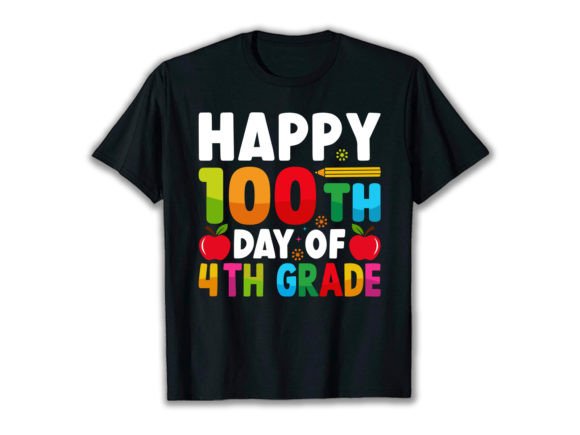
Upon opening the included EPS, SVG, and PNG files, the layout presents a bold, celebratory mood appropriate for fourth graders. The typography is the hero here, which is excellent for custom apparel. In the world of T-Shirt Designs, clarity is king. A nine or ten-year-old wants their achievement recognized instantly across a classroom or playground. The visual personality feels energetic but structured, avoiding the chaotic clutter that often plagues school-themed Graphics.
For an embroidery project, this hierarchy is promising. Bold lettering typically translates well to satin stitch or column stitches, provided the width remains within safe limits to prevent looping. The "100" numeral offers a fantastic opportunity for creative stitching techniques, such as incorporating texture or contrasting thread colors to make the number pop against the shirt fabric. As a reviewer, I appreciate designs that guide the digitizer toward a successful outcome rather than fighting against the medium.
Real-World Application: The Sweatshirt Test
To truly evaluate this asset, I mentally placed it in a real-life production scenario. Imagine preparing a custom crewneck sweatshirt for a client whose child is celebrating this milestone. Sweatshirts are thicker and more forgiving than t-shirts, making them ideal for testing stitch density. In this scenario, the HAPPY 100th DAY of 4TH GRADE T-SHIRT design serves as the centerpiece of a handmade product intended for winter wear.
When hooping a fleece or French terry sweatshirt, the pile can swallow fine details. Because this design relies on strong typographic elements, it holds up better than intricate illustrations would. I envision using a tear-away stabilizer underneath and a water-soluble topping to keep the stitches crisp on the fuzzy surface. For a craft business owner, this specific use case highlights the design's versatility. It isn't just a t-shirt file; it is a viable candidate for sweatshirt embroidery, hoodies, and even sturdy tote bag designs for book fairs or library visits.
Navigating Fabric Limitations and Hoop Sizes
While the design shows promise, practical judgment dictates caution regarding where it should not be used. Not all garments are created equal, and pushing a design beyond its technical limits leads to poor quality and customer dissatisfaction.
- Stretchy Performance Fabrics: If applying this to thin, high-stretch athletic wear, you must use a cut-away stabilizer and potentially a fusible backing. Without proper support, the dense stitching of the "100" could cause tunneling or distortion.
- Small Hoop Constraints: Verify your hoop size before purchasing. If the design exceeds 4x4 inches and you only have a standard starter machine, resizing may compromise the integrity of the satin stitch columns. Always check dimensions in your software first.
- Textured Linens: While great for tea towels, heavy linen textures can compete with detailed fills. If the design contains small accent elements, they may get lost. Use a heavier weight thread or simplify the background texture if adapting for home decor.
- Curved Surfaces: Be wary of placing wide text designs on caps or curved sleeves. Distortion is inevitable on cylindrical surfaces unless the design has been specifically digitized for caps. This file appears optimized for flat custom apparel.
Impact on Product Value and Buyer Trust
For Etsy sellers and small shop product creators, the quality of your embroidery directly correlates to perceived value. A clean, professional stitch-out of the HAPPY 100th DAY of 4TH GRADE T-SHIRT builds trust. Parents investing in milestone memorabilia expect durability and neatness. If the fill stitch areas are too sparse, the fabric shows through, looking cheap. Conversely, if the density is too high, the shirt becomes bulletproof and uncomfortable.
This balance affects your brand consistency. Using well-structured design assets ensures that whether you are selling a digital embroidery file or a finished personalized gift, the end result meets expectations. High-quality mockups using the included PNG transparency help set accurate buyer expectations before a single needle penetrates fabric. This transparency reduces returns and increases positive reviews for your commercial embroidery ventures.
Critical Designer Notes for Success
Before listing this item or starting a production run, adhere to these professional best practices. These steps separate hobbyists from reliable apparel decorators.
- Always Test Stitch: Never assume a digital embroidery file is perfect for your specific machine and fabric combination. Run a test on scrap material that matches your final project weight.
- Verify Licensing: The product description mentions personal and website use, but you must confirm if commercial embroidery rights are included for selling physical goods versus digital files. Protect your business by clarifying terms.
- Check Thread Contrast: Test the design in black and white mockups to ensure readability. On dark fabrics, verify that the chosen thread colors provide sufficient contrast without requiring excessive underlay, which adds bulk.
- Inspect Small Details: Zoom in on the vector file. Are there tiny serifs or decorative dots? If they are smaller than 1mm, they may not stitch well. Consider removing or enlarging micro-details to prevent needle breaks or thread nests.
- Stabilizer Selection: Match your stabilizer to the garment. Knits require cut-away; wovens can often use tear-away. For a baby embroidery application (if sizing down for younger siblings), always use soft, skin-friendly backing to prevent irritation.
Final Verdict for Makers and Sellers
The HAPPY 100th DAY of 4TH GRADE T-SHIRT represents a solid foundation for seasonal inventory. Its strength lies in its clear communication and adaptable layout, making it suitable for everything from holiday embroidery projects to classroom celebrations. For the creative entrepreneur, it offers a timely solution to a recurring annual demand.
However, success depends entirely on execution. Treat the provided EPS and SVG files as a starting point, not a guarantee. Your expertise in selecting the right stabilizer, adjusting tension, and choosing appropriate garments will ultimately determine the quality of the finished product. Whether you are creating a keepsake embroidered patch, a boutique tee, or a digital download for other makers, approach this design with technical mindfulness. When executed correctly, it delivers exactly what the market wants: a joyful, tangible marker of academic progress that looks as good in real life as it does on screen.