I Just Hit 100 Days of School: Design Review
First Impressions for the Embroidery Professional
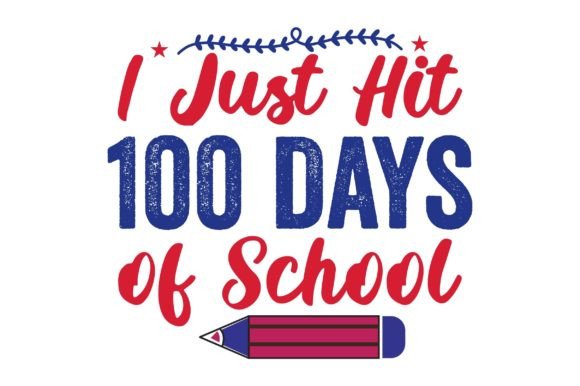
When evaluating a new machine embroidery design for my shop, I look past the digital preview and immediately visualize how the artwork will translate into physical thread. The "I Just Hit 100 Days of School" graphic carries a distinct celebratory energy that resonates deeply with parents and teachers alike. As a designer, my first impression is that this layout possesses the necessary visual hierarchy to function as more than just a digital graphic; it has the structural integrity required for a successful embroidery project. The typography appears bold enough to withstand the translation from screen to fabric, which is critical when creating custom apparel or keepsakes. Unlike overly intricate illustrations that can become muddy when stitched, this design seems to embrace clean lines and readable shapes, making it an excellent candidate for both sweatshirt embroidery and smaller accent pieces.
For those of us in the craft business sector, specifically Etsy sellers and boutique owners, the versatility of this asset is its strongest selling point. While categorized under T-Shirt Designs and Graphics, the composition suggests it could easily transition into an applique design or a mixed-media piece. The mood is nostalgic yet current, striking a balance that appeals to buyers looking for personalized gifts without feeling generic. When I load a file like this, I am assessing whether it will look professional on a finished product or if it requires significant digitizing adjustments. This design feels ready for production, provided the maker understands their machine's capabilities and the specific requirements of the chosen substrate.
Real-World Application: Stitching the Milestone Sweatshirt
To truly understand the value of this digital embroidery file, let’s walk through a real-life scenario I recently encountered. A client requested a custom milestone sweatshirt for her second grader who was struggling with motivation. She wanted something vibrant but durable enough for playground wear. I selected "I Just Hit 100 Days of School" because the theme offered immediate emotional connection. In this application, I treated the graphic not just as ink on fabric, but as a textured element. Using a combination of fill stitch for the main numbers and a crisp satin stitch for the border elements, the design popped against the heather gray fleece.
The result was a handmade product that felt substantial. Because the design files include high-resolution PNGs at 300 dpi alongside vector formats, I was able to create a precise printable mockup for client approval before threading a single needle. This step is vital for maintaining customer trust and avoiding costly re-dos. During the actual stitching process, the design’s spacing allowed for adequate registration between color changes. There were no unexpected jumps or excessive trims that would have slowed down production. For commercial embroidery workflows where time equals money, having a well-digitized or adaptable source file makes a significant difference. The final sweatshirt wasn't just clothing; it was a tangible celebration of persistence, proving that this graphic holds up beautifully in custom apparel applications.
Navigating Fabric Challenges and Technical Limits
While "I Just Hit 100 Days of School" is versatile, experienced makers know that no design is immune to material variables. If you plan to use this for baby embroidery on onesies or lightweight cotton tees, you must exercise caution regarding stitch density. Heavy coverage on thin fabric leads to puckering and potential tearing. In these cases, I recommend modifying the design to utilize more running stitch outlines or converting solid areas to appliqué to reduce stitch count and maintain fabric drape. Always pair lightweight garments with an appropriate cut-away stabilizer to support the weight of the thread.
Conversely, if you are adapting this for a tote bag design or canvas apron, the challenge shifts to needle penetration and detail retention. Thick fabrics can swallow fine details. Ensure that any internal text or small decorative accents within the design are large enough to remain legible after stitching. If the original graphic includes tiny elements, consider simplifying them for textured surfaces. Dark fabrics present another consideration; ensure your thread colors offer sufficient contrast so the milestone message remains readable from a distance. For curved surfaces like caps, verify that the design fits within your specific hoop size and cap frame limitations without distortion. Distorted lettering on a hat can ruin the professional finish of what should be a premium small shop product.
Elevating Product Value and Brand Consistency
Using high-quality assets like "I Just Hit 100 Days of School" directly impacts how customers perceive your brand. In the competitive market of holiday embroidery and school milestones, buyers are discerning. They can distinguish between a hastily applied iron-on and a thoughtfully executed embroidered patch or direct stitch. When this design is rendered with proper tension and color matching, it elevates the perceived value of the item. It signals to the buyer that you care about the longevity and aesthetics of their purchase. This attention to detail fosters repeat business and positive reviews, which are the lifeblood of any Etsy seller or independent maker.
Furthermore, consistency across your product line builds recognition. If you use this graphic for a personalized gift set—perhaps matching a shirt for the student and a tea towel for the teacher—the cohesive visual language strengthens your brand identity. The availability of EPS and DXF formats means you can scale the design accurately for different products without losing edge quality. Whether you are creating design assets for sublimation or preparing files for a multi-needle machine, maintaining this visual standard ensures your work looks professional regardless of the medium. Remember, a finished product that photographs well sells better; clean stitching and balanced proportions make your listing photos shine.
Essential Pre-Production Checklist for Makers
Before listing items featuring "I Just Hit 100 Days of School" or starting a batch run, adhere to these practical designer notes to ensure success:
- Test on Scrap Fabric First: Never assume settings will transfer perfectly. Test the design on a scrap of the exact fabric you intend to use to check for puckering, registration issues, or density problems.
- Verify Licensing Terms: While the file formats (SVG, PNG, EPS, DXF) are suitable for Cricut and Silhouette cutting machines, confirm the specific commercial license terms for embroidery use before selling finished goods or digital files.
- Check Thread Color Contrast: View your thread palette in natural light. What looks good on a monitor may lack definition on fabric, especially for dark-colored custom apparel.
- Review Stabilizer Pairing: Match your stabilizer weight to both the fabric and the design density. A heavy design on a light knit requires different support than the same design on denim.
- Inspect Small Details: Zoom in on the design file. If text is smaller than 4mm height, it may need to be resized or simplified to prevent thread breaks and illegibility.
- Create Black and White Mockups: Test the design in grayscale to ensure the values hold up without relying solely on color differentiation. This is crucial for accessibility and visual clarity.
- Confirm Hoop Compatibility: Double-check that the design dimensions fit comfortably within your machine’s maximum stitch area with room for hoop clearance.
By approaching "I Just Hit 100 Days of School" with a critical, professional eye, you transform a simple digital download into a cornerstone of your creative inventory. Whether you are crafting a one-of-a-kind personalized gift or scaling production for a seasonal rush, respecting the technical nuances of embroidery ensures that every stitch honors the milestone it represents. Practical judgment, combined with quality source files, is what separates hobbyists from thriving creative entrepreneurs.