School Student Unicorn SVG and PNG Review
As a professional embroidery designer and product reviewer, I approach every new digital asset with a specific question: will this actually stitch out cleanly on real fabric? When evaluating the School Student Unicorn Svg and Png from the Lifua shop on Creativefabrica, my focus shifts immediately from screen aesthetics to needle performance. While these files are categorized as Illustrations and Graphics suitable for scrapbooking or cutting machines, my assessment centers entirely on their viability for machine embroidery projects. For Etsy sellers, craft business owners, and makers creating custom apparel or personalized gifts, understanding how this whimsical school-themed unicorn translates from vector art to thread is crucial before committing it to a finished product.
First Impressions: Whimsy Meets Back-to-School Practicality
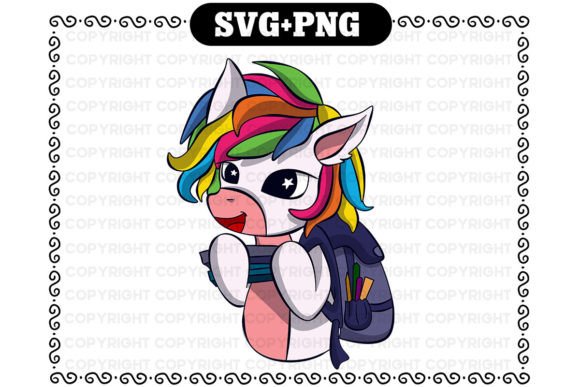
The visual personality of this design strikes a balance between fantasy and academic structure. It captures that specific niche of "school spirit" without being overly rigid, making it ideal for elementary-aged demographics. The layout suggests a playful character that likely incorporates books, pencils, or backpacks alongside traditional unicorn elements. From a designer’s perspective, this combination creates a strong emotional hook for parents shopping for back-to-school items or teachers looking for classroom merchandise. However, the complexity of combining an animal figure with scholastic props requires careful scrutiny. In digital format, the lines may look crisp, but in embroidery, we must consider whether those tiny pencil details or book spines will remain distinct once rendered in satin stitch or fill stitch. The mood is undeniably cheerful, but successful execution depends on respecting the limitations of thread on fabric.
Real-World Application: Stitching the Custom Tote Bag
To truly evaluate this design, I mentally placed it onto a canvas tote bag project intended for a third-grade student. Tote bags are a staple handmade product for small shops because they offer a flat, stable surface perfect for testing new embroidery files. When applying the School Student Unicorn Svg and Png to this scenario, several practical considerations emerge. Canvas has a distinct fabric texture that can swallow fine details. If the unicorn’s facial features or the text on the school supplies are too small, they risk becoming muddy blobs of thread rather than recognizable icons.
For this specific use case, I would treat the primary unicorn shape as an applique design if possible, using a running stitch outline to secure the fabric piece before adding decorative satin stitch borders. This reduces overall stitch density and prevents the tote bag from becoming stiff or bulletproof in the center. The surrounding school elements could then be added as standalone embroidery accents. This hybrid approach maximizes visual appeal while maintaining the structural integrity of the bag. For customers, this results in a professional-looking embroidered patch effect that feels high-end rather than mass-produced. It also allows for greater color customization, letting you match thread colors to specific school uniforms or personal preferences.
Navigating Fabric Challenges and Hoop Limitations
While tote bags are forgiving, applying this design to stretchy fabrics like sweatshirts or t-shirts demands caution. Knit fabrics move under the needle, and intricate graphics can distort if not properly stabilized. When using this design for custom apparel, I strongly advise checking the stitch density. Dense fill stitch areas combined with tight satin stitch outlines can cause puckering on jersey knits. You must use an appropriate stabilizer, such as cut-away mesh for stretchy garments, to support the weight of the embroidery.
Furthermore, consider your hoop size constraints. School-themed graphics often have horizontal or vertical orientations that might not fit standard 4x4 hoops comfortably. Before purchasing or stitching, verify the dimensions of the School Student Unicorn Svg and Png against your machine’s capabilities. Resizing embroidery files significantly can alter stitch counts and compromise registration. If you plan to create baby embroidery items like onesies, ensure the design can be scaled down without losing critical details. Tiny lettering or thin lines often disappear at smaller sizes. In such cases, you may need to edit the digital embroidery file to remove non-essential elements, ensuring the remaining motifs stitch out clearly on delicate fabrics.
Commercial Viability for Etsy Sellers and Makers
For creative entrepreneurs, this design holds significant potential for seasonal revenue. Back-to-school season is a massive opportunity for personalized gifts and boutique branding. However, commercial embroidery requires consistency. Your customers trust that the unicorn’s horn won’t break off after three washes or that the colors won’t bleed. Visual appeal directly correlates to perceived value. A clean, well-digitized interpretation of this graphic signals professionalism. Conversely, poor tension or lost details suggest amateur work.
When listing products featuring this design, use printable mockups to showcase versatility. Show the design on a navy sweatshirt, a pastel pillow cover, and a white apron to demonstrate its adaptability. This helps buyers visualize the finished product in their own lives. Remember to confirm licensing terms from the Lifua shop before selling. While the description mentions files for scrapbooking and cutting, commercial embroidery rights are sometimes separate. Protecting your craft business means ensuring you have the legal right to sell physical items made with these design assets. Transparency about what is included builds buyer engagement and long-term customer loyalty.
Critical Designer Notes for Success
Before loading this design into your machine, adhere to these professional best practices to ensure a premium result:
- Test on Scrap Fabric First: Never stitch a new design directly onto a client’s garment. Use similar fabric texture and weight to check for registration issues or puckering.
- Verify Thread Color Contrast: Test the design in black and white mockups or grayscale stitches to ensure details are visible through value contrast, not just color difference. This is vital for dark fabric backgrounds.
- Inspect Small Details: Zoom in on the digital file. If any element is thinner than 1mm, it may require editing or removal to prevent needle breaks or thread shredding.
- Check Stabilizer Compatibility: Match your stabilizer to both the fabric and the design density. Heavy designs on light fabric need more support; light designs on heavy fabric need less.
- Confirm File Integrity: Since the product listing specifies SVG and PNG files, ensure you have a method to convert these to a machine-readable embroidery file format if one is not explicitly provided. Do not assume auto-digitizing software will perfectly interpret complex illustrations without manual adjustment.
- Evaluate Washability: If creating items for children that will face frequent washing, avoid long floating stitches. Secure all edges and consider using rayon or polyester threads rated for high durability.
Ultimately, the School Student Unicorn Svg and Png offers a charming foundation for seasonal embroidery projects. Its success lies not just in the artwork itself, but in the maker’s ability to adapt it for the physical realities of needle and thread. By approaching this design with technical foresight and practical testing, you can transform a digital illustration into a cherished, high-quality handmade product that delights students and satisfies discerning customers alike.