Teacher Libbey Can Glass 20oz SVG Review
First Impressions: Retro Charm Meets Stitch Reality
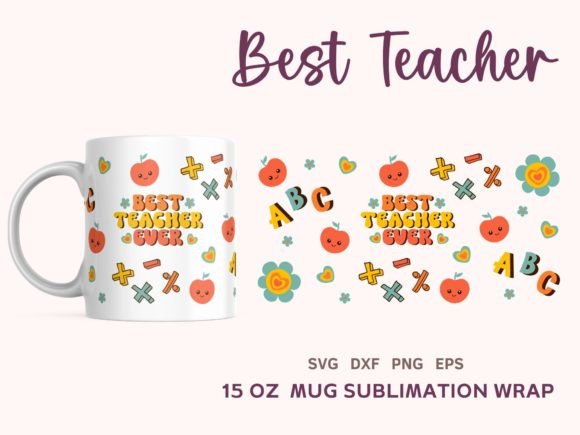
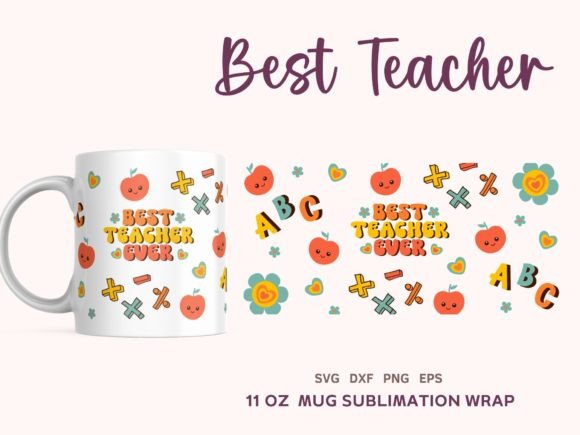
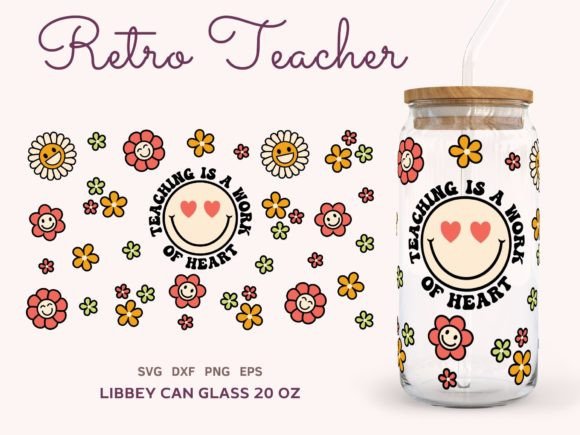
When I first opened the Teacher Libbey Can Glass 20oz SVG, I was immediately struck by the nostalgic aesthetic. As a designer who frequently bridges the gap between digital graphics and physical embroidery, my initial assessment always focuses on translatability. This design captures that specific retro teacher vibe perfectly, featuring a smiley face motif that feels both welcoming and vintage. However, as an experienced reviewer, I know that a beautiful vector illustration does not automatically guarantee a successful machine embroidery design. The lines are clean and the layout is balanced for a glass wrap, but translating this to thread requires a critical eye.
The mood this graphic creates is undeniably cheerful and professional, making it ideal for school-related merchandise or appreciation gifts. Visually, it belongs on items that celebrate educators without feeling childish. The pre-sized nature of the file suggests it was created with precision, yet when we move from screen to fabric, variables change. My first impression is positive regarding style, but cautious regarding execution on textiles. The simplicity of the smiley and text elements suggests potential for crisp stitching, provided the digitizing respects the original line weight.
Real-World Application: Stitching a Teacher Appreciation Tote
To truly evaluate this asset, I mentally applied it to a recent client request: a custom canvas tote bag for a school librarian. This scenario tests the design’s versatility beyond its intended glass application. When adapting the Teacher Libbey Can Glass 20oz SVG for a tote bag design, the scale becomes paramount. Canvas has a distinct fabric texture that can swallow fine details. In this real-life case, I would assess whether the smiley’s curves maintain their integrity when expanded to fit a 5x7 hoop area.
For this project, the retro typography serves as the anchor. If I were stitching this, I would likely convert thinner script elements into a satin stitch column to ensure visibility against the natural canvas grain. The customer reaction to such a personalized gift relies heavily on legibility from a distance. A design that looks intricate on a monitor might look muddy on burlap or heavy cotton. In this specific use case, the design’s bold, happy aesthetic translates well to a functional item, but only if the stitch pathing is optimized to prevent excessive jump stitches that could snag on books or supplies.
Fabric Compatibility and Hoop Considerations
While this graphic shines as a digital illustration, its performance in embroidery varies significantly by substrate. For custom apparel like sweatshirts or t-shirts, the design offers excellent branding potential for teacher boutiques. However, you must exercise caution with stretchy knits. The density required to make the retro colors pop can cause puckering if the stabilizer choice is inadequate. I recommend testing on a scrap piece of similar weight fabric before committing to a final embroidery project.
Conversely, using this design for baby embroidery or lightweight tea towels presents different challenges. Thin fabrics cannot support high stitch density without distortion. If the original file includes dense fill areas meant for glass wraps, these may need to be lightened for delicate textiles. Dark fabrics also demand attention; the retro color palette likely assumes a light background. On navy or black garments, you will need to adjust thread colors or add an underlay to prevent the fabric color from bleeding through the stitches. Always verify your hoop size capabilities, as resizing complex graphics can alter stitch angles and compromise the design's structural integrity.
Navigating Small Details and Text Clarity
The most common failure point in adapting illustrations to embroidery is tiny lettering. The Teacher Libbey Can Glass 20oz SVG features stylized text that looks charming digitally. Physically, however, letters smaller than 4mm often become illegible blobs of thread. Before running a production batch for your craft business, inspect every text element. You may need to simplify fonts or increase spacing. This is especially true for embroidered patch creation, where border definition is critical. If the design includes intricate facial features on the smiley, ensure they are large enough to hold detail after washing. A finished product that loses its expression after one laundry cycle damages customer trust and brand reputation.
Commercial Value for Etsy Sellers and Makers
For Etsy sellers and small shop owners, this design represents a strong seasonal opportunity. The retro teacher niche is evergreen, particularly during back-to-school and appreciation weeks. Using this digital embroidery file allows for rapid product diversification. You can offer it as a standalone digital download or apply it to physical goods like mugs, shirts, and totes. The key to maximizing value lies in presentation. Create high-quality printable mockup images that accurately represent how the stitch-out looks, not just the vector art. Buyers need to see the texture and dimension to understand the handmade product value.
Brand consistency is another factor. If your shop specializes in vintage aesthetics, this graphic aligns perfectly. It enhances recognition and professionalism. However, always confirm licensing terms before selling. Just because a file is available doesn't mean it permits commercial resale of the digital asset itself versus the physical embroidered item. Clear communication about what customers are buying builds long-term loyalty. Whether you are creating holiday embroidery gifts or year-round boutique merchandise, respecting intellectual property while delivering quality craftsmanship sets successful makers apart.
Essential Designer Notes for Successful Execution
Before you thread your needle, adhere to these practical guidelines to ensure the Teacher Libbey Can Glass 20oz SVG performs as expected:
- Test Stitch First: Never assume a digital file is stitch-ready without verification. Run a test on scrap fabric identical to your final project to check tension and registration.
- Check Contrast: View the design in black and white within your software. If elements disappear without color, they lack sufficient contrast definition for monochromatic stitching.
- Verify Formats: Ensure you have the correct embroidery file format for your specific machine. While SVG and PNG are great for cutting machines and mockups, your embroidery machine requires DST, PES, or similar formats.
- Stabilizer Strategy: Match stabilizer weight to fabric type. Use cut-away for knits and tear-away for stable wovens. This prevents the retro shapes from distorting.
- Mockup Accuracy: When listing items, use photos of actual stitch-outs whenever possible. Digital renders can mislead buyers regarding texture and sheen.
- Licensing Compliance: Double-check if the license covers commercial use for both physical products and digital files. Protect your business by operating within legal boundaries.
- Color Matching: Retro palettes can be tricky. Keep a physical thread chart handy to match screen colors to actual polyester or rayon threads accurately.
Final Thoughts on Design Versatility
The Teacher Libbey Can Glass 20oz SVG is more than just a trendy graphic; it is a versatile asset for the creative entrepreneur willing to do the necessary groundwork. Its strength lies in its emotional resonance and clear visual hierarchy. By approaching it with technical diligence—respecting fabric limitations, optimizing stitch types, and validating commercial rights—you transform a simple illustration into a profitable, professional-grade embroidery offering. Whether destined for a beloved teacher’s tote bag or a best-selling Etsy listing, success comes from understanding the relationship between the digital source and the tactile result. Treat this design with the same care you would give any premium design assets, and it will serve your portfolio well.